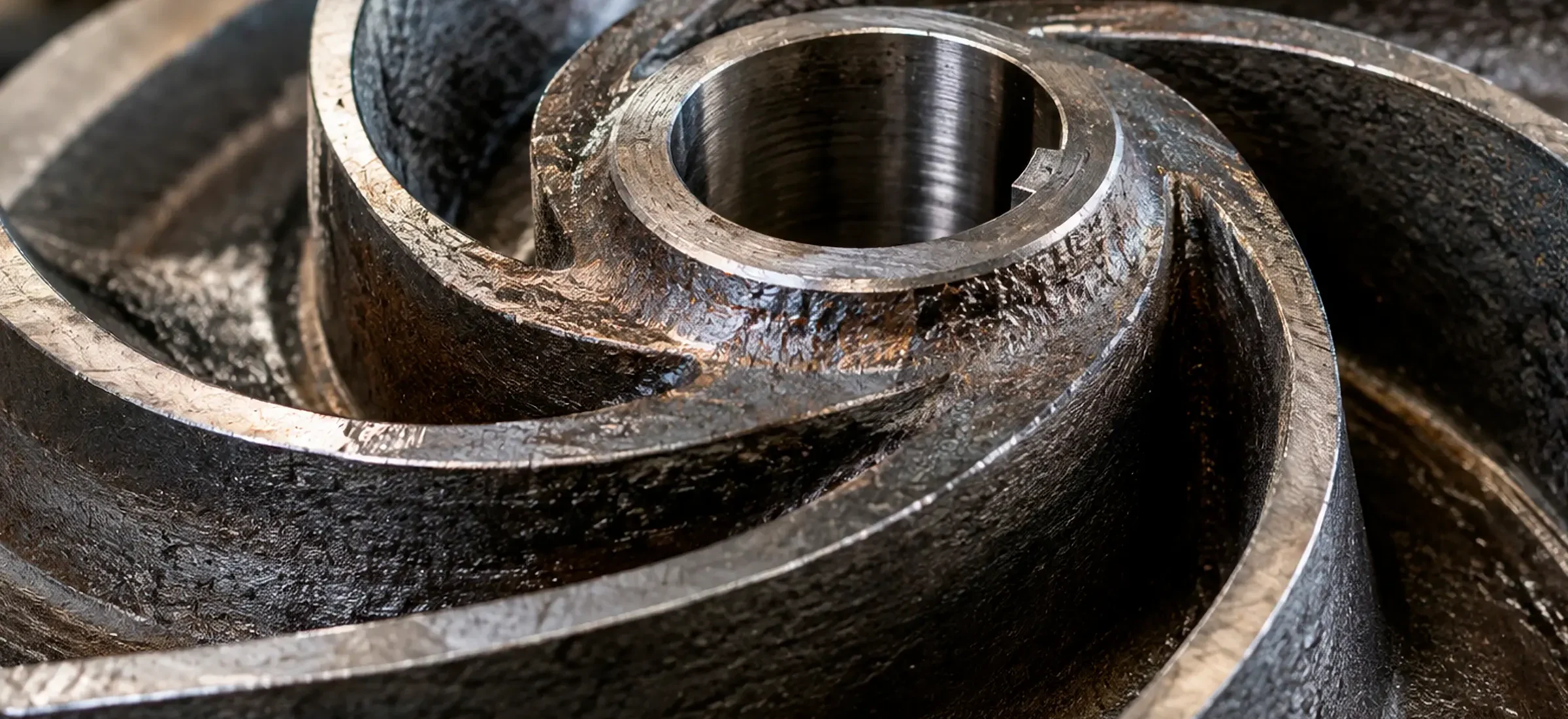
Impeller Trimming for Centrifugal Pumps
Like any machine, a pump unit has a power requirement that determines the motor capacity needed.
Pump power depends directly on head and flow rate, and is inversely proportional to its efficiency.
Pump-unit efficiency can vary widely — from 20% to 98%.
This wide range reflects differences in how the working element interacts with the pumped liquid.
General principle: dynamic pumps, including centrifugal pumps, are generally less efficient than positive-displacement pumps.
Efficiency is particularly important for large pumps.
One way to improve centrifugal pump efficiency is impeller trimming. Matching the impeller to the required flow and head can deliver substantial energy savings, especially on large pump units.
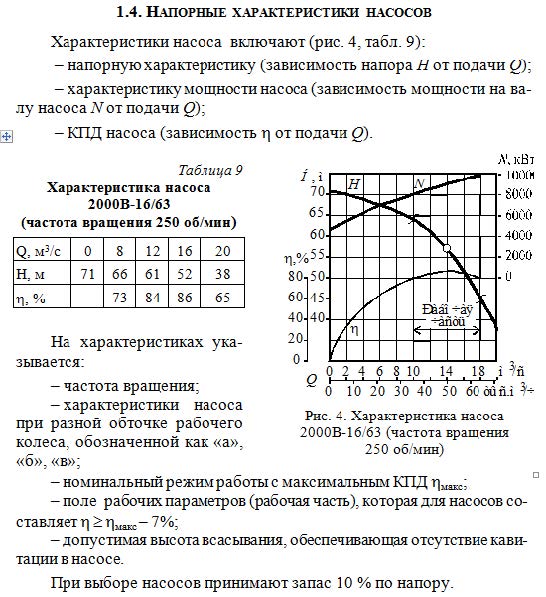
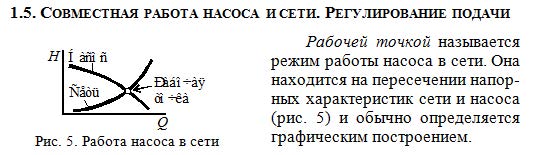
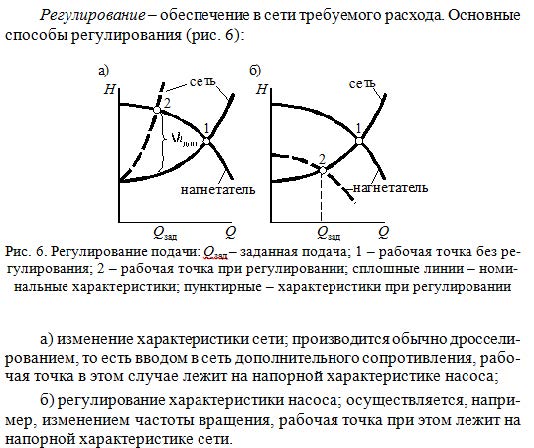
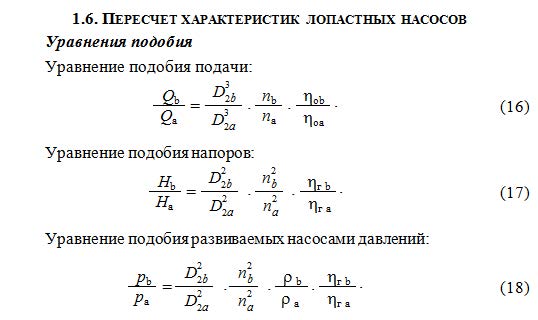

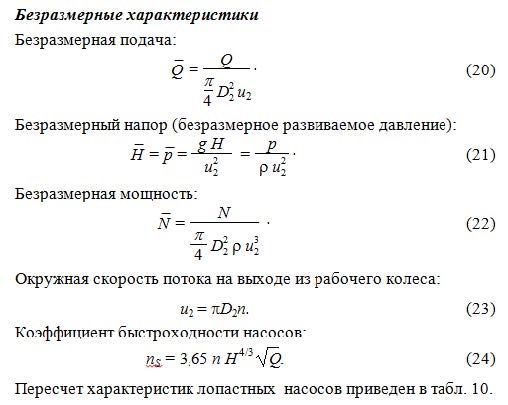
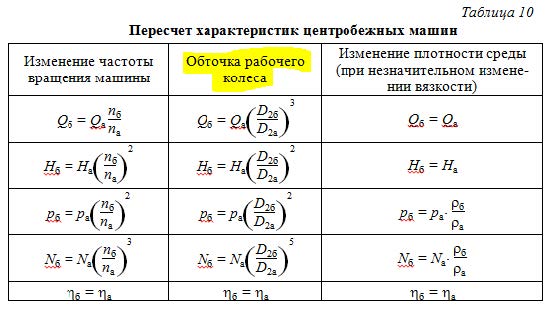
Reducing the impeller diameter is a standard procedure described in pump reference books and operating manuals.
Purpose of the procedure: to improve pump efficiency under the actual operating conditions.
There are two main approaches to impeller trimming:
1. Factory trimming:
- If all operating parameters are known in advance, a pump can be ordered with an impeller trimmed to the required diameter at the factory.
- This gives the pump an appropriate efficiency for the specified duty from the outset.
2. On-site trimming:
- If some operating parameters are not yet known, the pump can be supplied with the largest impeller diameter available for that model.
- Once the necessary operating data has been collected, the impeller is trimmed to the required diameter on site.
Benefits of reducing impeller diameter:
- Higher pump efficiency (by 20% or more);
- Lower energy consumption;
- Lower electricity costs;
- Reduced load on the power supply;
- Lower greenhouse-gas emissions;
- Improved pump performance.
Important considerations:
- Reducing the impeller diameter can reduce the pump’s head and flow rate.
- Impeller trimming should be carried out by qualified specialists using specialist equipment.
- Before trimming, it is essential to calculate carefully the new impeller diameter.
Conclusion:
Reducing a pump impeller’s diameter can improve unit efficiency and optimise the cost of moving liquid.
Choose the appropriate method—factory or on-site trimming—and complete the necessary calculations carefully.